
 By Arthur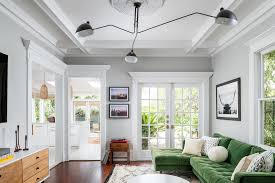
We often think of home improvement as a massive undertaking. We envision knocking down walls, replacing entire roofs, or adding new rooms. But sometimes, the most impactful changes come from the smallest details. Upgrading your fixtures is a powerful way to transform your living space without the chaos of a full renovation. It’s about merging comfort with sustainability, creating a home that feels good to live in and good about living in.
A few strategic swaps can lower your utility bills, reduce your environmental footprint, and elevate the aesthetic of your rooms. Whether you are looking to update a dated bathroom or make your kitchen more efficient, modern fixtures offer a surprising range of benefits. Let’s explore how you can turn your house into a sanctuary of efficiency and warmth.
Lighting sets the mood for everything we do at home. Yet, many homes still rely on outdated incandescent bulbs or inefficient fixtures that drain energy and produce excess heat.
The first and easiest step is embracing LED technology. Modern LEDs use up to 90% less energy than traditional bulbs and last significantly longer. This means fewer trips to the store for replacements and a noticeable drop in your electricity bill. But it’s not just about efficiency; it’s about ambiance.
LEDs now come in a spectrum of color temperatures. For a cozy living room, opt for “warm white” (2700K-3000K), which mimics the soft glow of sunset. For workspaces or kitchens, “cool white” (3500K-4100K) provides the crispness needed for focus and clarity.
Taking it a step further, smart lighting fixtures allow you to control intensity and color from your phone. You can program lights to dim automatically in the evening, aligning with your circadian rhythm, or ensure all lights are off when you leave the house. This level of control ensures you only use energy when and where you need it.
Water is one of our most precious resources, yet traditional plumbing fixtures are notoriously wasteful. Upgrading your taps and showerheads is a win-win for the planet and your wallet.
Gone are the days when “low-flow” meant a weak, unsatisfying drizzle. Modern high-efficiency showerheads use air-induction technology to mix air with water, creating larger droplets and a powerful spray while using significantly less water. You get the same luxurious experience while cutting water usage by 20% to 50%.
In the kitchen, consider installing a touchless faucet. These fixtures are not only hygienic—perfect for when your hands are covered in dough—but they also prevent water waste. The water stops instantly when you move away, eliminating those few seconds of unnecessary running water while you reach for the handle.
Creating a cozy home is largely about thermal comfort. You want to be warm in winter and cool in summer without spending a fortune on HVAC costs.
A smart thermostat is one of the best investments you can make for an eco-friendly home. These devices learn your schedule and preferences, automatically adjusting the temperature when you are away or asleep. By optimizing your heating and cooling cycles, you avoid heating an empty house. Over time, the energy savings can pay for the device itself.
Don’t underestimate the humble ceiling fan. In the summer, a fan creates a wind-chill effect that can make a room feel several degrees cooler, allowing you to raise your thermostat setting. In the winter, most fans have a reverse switch that pushes warm air (which rises to the ceiling) back down into the living space. This simple circulation trick helps your heater work less hard to maintain a cozy warmth.
While often overlooked as “fixtures,” your entry points play a massive role in your home’s efficiency. Drafty windows and doors are major culprits for energy loss.
Upgrading to double or triple-pane windows with Low-E (low emissivity) glass can drastically reduce heat transfer. This keeps the warmth inside during winter and the heat outside during summer. If replacing windows isn’t in the budget, high-quality thermal curtains or honeycomb shades can add a significant layer of insulation.
Your front and back doors are critical barriers against the elements. Older, warped, or poorly insulated doors let conditioned air escape, forcing your HVAC system to work overtime. Modern fiberglass or insulated steel doors offer superior thermal resistance compared to traditional wood.
For homeowners in climates with extreme seasonal shifts, this is crucial. For example, installing high-quality, weather-resistant doors in Utah can make a significant difference in maintaining indoor comfort during snowy winters and dry, hot summers. A well-sealed door ensures that your cozy atmosphere stays exactly where it belongs—inside.
Finally, consider the materials of the fixtures themselves. When choosing cabinet handles, doorknobs, or towel racks, look for sustainable options.
Opt for hardware made from recycled brass, copper, or steel. These materials are incredibly durable, meaning they won’t need to be replaced often, and their production has a lower environmental impact than virgin mining.
For a warmer aesthetic, incorporate fixtures with bamboo or FSC-certified wood elements. These natural materials add texture and warmth to a room, enhancing the “cozy” factor while being renewable resources.
Creating an eco-friendly and cozy home doesn’t require tearing your house apart. It is a process of thoughtful curation. By upgrading to efficient lighting, water-saving plumbing, smart climate controls, and insulated entry points, you build a home that respects the environment and nurtures your well-being.
Every fixture you replace is a vote for a sustainable future. It’s a step toward a home that costs less to run, feels better to live in, and leaves a lighter footprint on the earth. Start with one room, make the swap, and feel the difference.