
 By Bemi Brooks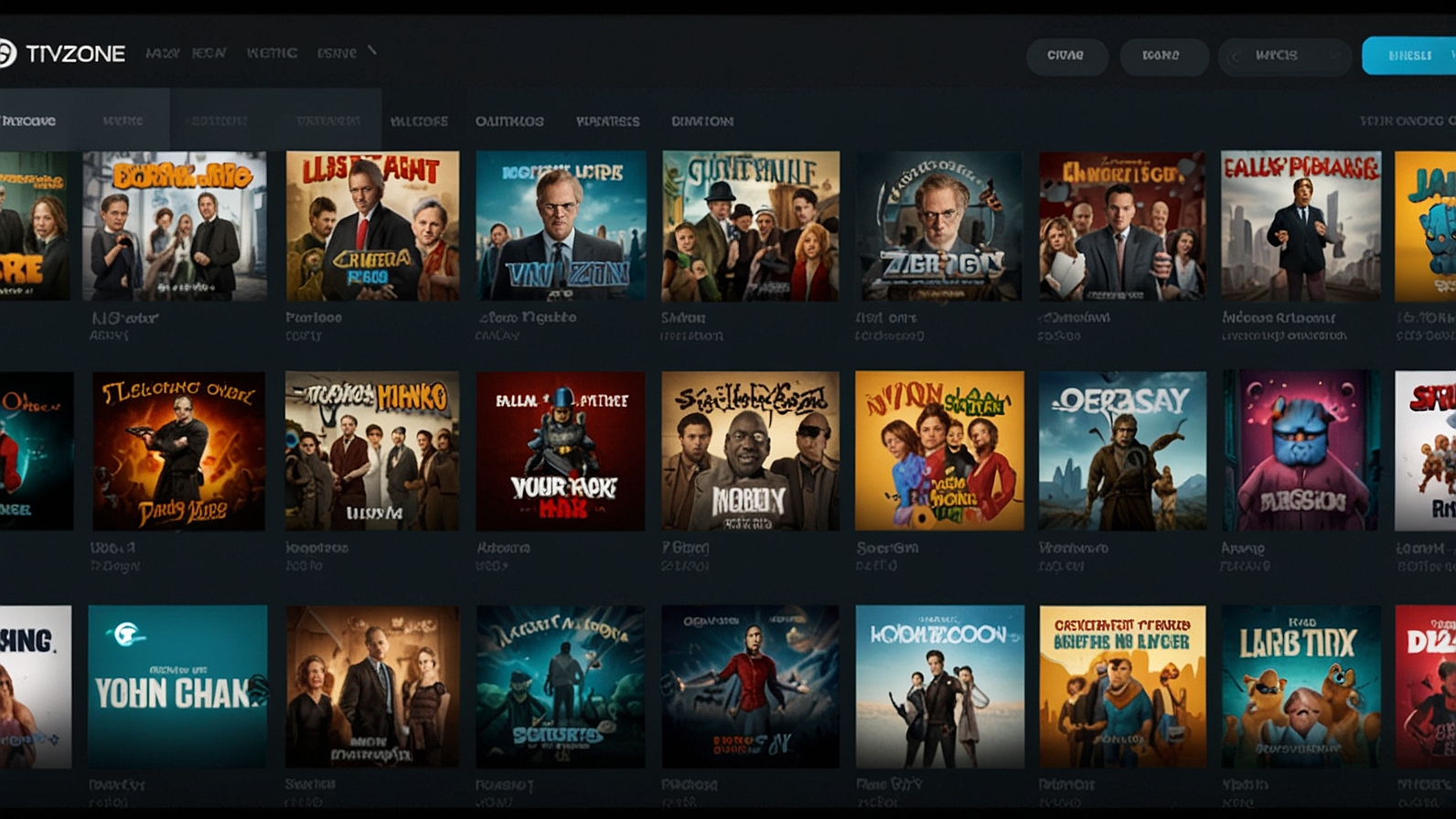
Picture this: It’s Friday night, the popcorn is popped, and you’re ready to unwind with a movie. You search for that new release, but it’s locked behind three different subscription paywalls. In moments like these, sites like TinyZone can feel like a beacon—a free, vast library where almost any title is just a click away. But what exactly is this platform that so many turn to, and how can you navigate the world of free streaming without stepping into murky waters?
This article pulls back the curtain on the TinyZone phenomenon, honestly exploring its appeal while equipping you with the knowledge to make informed, safer choices for your digital entertainment.
Let’s be honest: the appeal is instant and powerful. In an era of subscription fatigue, where juggling multiple services has become the norm, a one-stop-shop with a seemingly endless catalog is incredibly tempting.
The “No-Cost, No-Hassle” Promise
Sites like TinyZone operate as unofficial aggregators. They don’t host content themselves but act as a sophisticated search engine, compiling links to movies and TV shows hosted elsewhere on the internet. For the user, this translates to a clean, familiar interface—often mimicking Netflix or Hulu—where you can search, browse by genre, and start streaming without creating an account or pulling out your credit card. The utility is clear: immense access with minimal friction.
Device Reach and Convenience
A major part of their utility is cross-device compatibility. Whether you’re on a laptop, a phone, a tablet, or even casting to your TV, these sites are typically designed to work. This “watch anywhere” flexibility matches, and sometimes exceeds, the convenience offered by paid legal services, making it an easy choice for viewers prioritizing immediate access above all else.
However, that “free” price tag often comes with other, less visible costs. It’s crucial to look beyond the attractive interface to understand what you might be trading for convenience.
Security and Privacy Concerns
When you visit unofficial streaming sites, you enter a high-risk digital environment. These sites are commonly fueled by intrusive advertising. Malvertising—malicious ads designed to install malware or steal information—is a rampant issue. One wrong click can lead to viruses, ransomware, or identity theft. Furthermore, your browsing data is valuable; these sites often track your activity extensively, selling that data to third parties without your clear consent.
Legal Gray Areas and Supporting Creators
While viewers often feel detached from the legal implications, accessing copyrighted content without proper licensing is illegal in many jurisdictions. More importantly, it directly diverts revenue from the very people who make the content you love—from actors and directors to cinematographers and crew. Every movie or show is a collective effort, and official views are how that effort is funded for future projects.
The Unreliable Experience
Beyond ethics and security, the user experience itself is flawed. You might deal with:
- Buffering and poor video quality from overloaded servers.
- Broken or dead links that waste your time.
- Invasive pop-up ads that can make navigation a nightmare.
- Sudden shutdowns. These sites frequently disappear due to legal action, only to reappear under a new name.
Comparing Viewing Experiences
| Feature | Unofficial Aggregator (e.g., TinyZone) | Legal Streaming Service |
|---|---|---|
| Cost | Free (monetized via ads/data) | Subscription/Fee/Rental |
| Content Library | Vast, but unauthorized & unreliable | Curated, licensed, reliable |
| Video Quality | Inconsistent, often poor | Consistently HD/4K |
| Security Risk | Very High (malware, tracking) | Low (protected platforms) |
| Supports Creators | No | Yes |
| Reliability | Low (frequent downtime) | High |
The good news? You don’t have to choose between breaking the bank and breaking the law. Smarter, safer viewing habits can satisfy your watchlist without the anxiety.
Embrace the Free & Legal Tier
A wealth of fantastic content is available completely free and legally, supported by ads. Think of these as the “public libraries” of streaming:
- Tubi, Pluto TV, Freevee: These services offer massive libraries of movies and TV shows. Their catalogs include hidden gems, classic films, and even original content.
- Network Apps & Sites: Major broadcasters like ABC, CBS, NBC, and The CW often offer recent episodes of their shows for free on their apps and websites.
- Your Local Library: Don’t forget this incredible physical and digital resource! Library cards often grant free access to streaming platforms like Kanopy and Hoopla, which host indie films, documentaries, and classic cinema.
Get Strategic with Subscriptions
Instead of subscribing to everything at once, practice subscription cycling. Binge-watch what you love on one service for a month, then cancel and switch to another. This keeps costs down and your content fresh. Always check for bundle deals (like those with mobile plans or internet service) and student/military discounts.
The Power of Digital Rental
For that one must-see new release, digital rental or purchase on platforms like YouTube, Apple TV, Amazon Prime Video, or Vudu is a fantastic middle ground. It’s legal, supports the creators, provides high-quality reliable playback, and is often cheaper than a monthly subscription you won’t fully use.
- Bookmark the Legal Alternatives. Take five minutes now to bookmark Tubi, Pluto TV, Freevee, and your library’s digital portal. Make them your first stop, not your last resort.
- Invest in a Robust Ad-Blocker & VPN for General Browsing. If you do occasionally venture onto riskier parts of the web, never do so without a reputable ad-blocker (to reduce malvertising risks) and a paid VPN (to obscure your browsing data). This is basic digital hygiene.
- Audit Your Subscriptions. List every streaming service you pay for. How often did you use each this month? Could you pause or cancel one without missing it? Redirect those funds towards a legal rental fund for new releases.
The world of streaming is richer and more accessible than ever—legally. By choosing official platforms, you’re not just protecting your devices and data; you’re casting a vote for the kind of creative world you want to live in, one that values and sustains the art of storytelling.
What’s your favorite legal free streaming service? Share your thoughts and discoveries below!
You May Also Like: Avtub: The Cozy Corner Reshaping Online Video
Is TinyZone safe to use?
It carries significant risks. The site itself isn’t safe from malicious ads that can infect your device with malware, and it often involves tracking your personal data. The security and privacy trade-off is considerable.
Can I get in trouble for using sites like TinyZone?
While most legal action targets the operators of these sites, users in some regions can face fines for accessing copyrighted content illegally. The primary risk for most users, however, remains cybersecurity threats rather than legal prosecution.
Why isn’t the content I want on any legal free service?
Licensing is complex and expensive. New releases and specific shows are often exclusively licensed to major paid platforms for a window of time. Patience is key; many titles eventually rotate onto ad-supported services or can be rented digitally.
What’s the difference between an unofficial aggregator and a legal free service like Tubi?
Legal services like Tubi have official contracts and pay licensing fees to studios and creators to host their content. Unofficial aggregators link to unauthorized, pirated copies hosted on third-party servers without any permission or payment.
Are all ads on free streaming sites dangerous?
Not all, but it’s impossible to distinguish safe from malicious ones. These sites often use ad networks with poor oversight, making the chance of encountering malware-laden ads (“malvertising”) dangerously high.
Do VPNs make using these sites legal?
No. A VPN masks your location and encrypts your traffic, but it does not change the fundamental illegality of accessing copyrighted content without authorization. It may reduce some privacy risks but does not make the activity legal.
Where can I find what’s legally available to stream for free?
Websites like JustWatch or Reelgood are excellent legal search engines. You can type in any movie or show, and they will tell you which legal platforms (subscription, rental, or free) currently offer it.
 Arthur