
 By Siam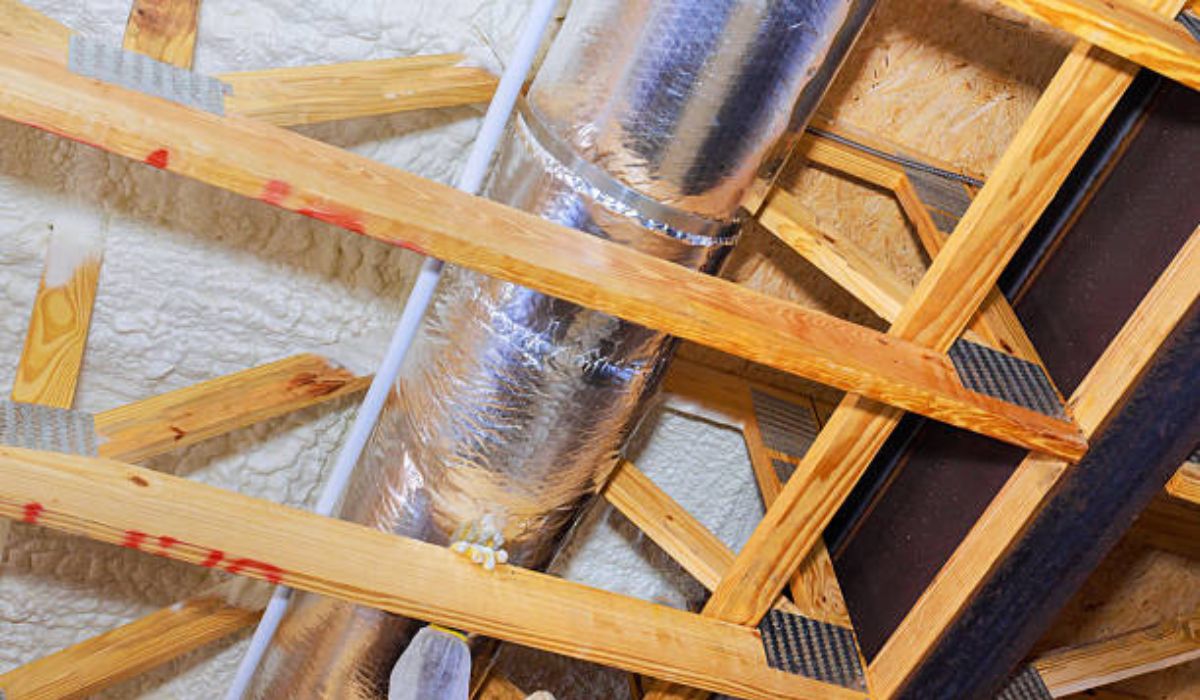
Energy efficiency is a key concern for homeowners and businesses looking to reduce costs and environmental impact. Among the many factors that influence how efficiently a heating, ventilation, and air conditioning system operates, insulation stands out as one of the most critical. Proper insulation ensures that the air your HVAC system works to heat or cool stays inside your home, minimizing waste and reducing the strain on your equipment. Without sufficient insulation, even the most advanced system can struggle to maintain comfort. Understanding how insulation affects HVAC efficiency helps homeowners make smarter decisions about comfort, cost, and energy conservation.
Insulation acts as a barrier between indoor and outdoor environments, regulating temperature and preventing unwanted heat transfer. During winter, insulation keeps warm air trapped inside, while in summer, it prevents heat from entering your home. This balance allows your HVAC system to maintain the desired temperature with less effort. When walls, ceilings, and ductwork are properly insulated, the system doesn’t need to cycle as often, reducing wear and energy consumption. Insulation also helps maintain consistent temperatures across rooms, eliminating cold or hot spots that usually result from energy leaks. The result is improved comfort and a more predictable energy bill. Good insulation supports your HVAC system by reducing overall workload, helping it operate more efficiently, and extending its lifespan by reducing mechanical stress.
Energy efficiency is directly influenced by how well a home retains conditioned air. Poor insulation leads to energy loss, causing the HVAC system to work longer and harder to maintain indoor temperatures. Over time, this increased workload translates into higher utility bills and unnecessary wear on components. Upgrading insulation can significantly reduce energy waste, allowing the system to achieve optimal efficiency with minimal effort. Technicians who handle HVAC in Elk Grove, CA often find that homeowners experience notable improvements in both comfort and energy savings after upgrading their insulation. Insulation upgrades not only enhance temperature control but also support the long-term health of the entire HVAC system. By preventing conditioned air from escaping and blocking unwanted heat gain, proper insulation creates a more balanced indoor climate while reducing the system’s overall energy demand. This synergy between insulation and HVAC efficiency is crucial for sustainable, cost-effective comfort year-round.
READ ALSO: Why Regular Garage Door Tune-Ups Extend the Life of Your System
Different types of insulation materials offer unique advantages depending on the structure and climate. Fiberglass, spray foam, cellulose, and rigid foam boards are among the most common options. Spray foam, for instance, provides an airtight seal that minimizes air leakage and improves thermal resistance. Fiberglass remains popular for attics and walls due to its affordability and durability. Regardless of the material, insulation effectiveness is measured by its R-value—a rating that indicates how well it resists heat flow. A higher R-value means better insulation performance. Choosing insulation with the right R-value for your region can dramatically improve HVAC efficiency. Homes in colder climates benefit from higher R-values to retain heat, while those in warmer areas need insulation that reflects and blocks external heat. Proper installation is equally important since gaps or compression can reduce insulation effectiveness, negating its benefits. Quality materials combined with precise installation deliver the greatest efficiency improvements.
Ductwork often goes unnoticed, yet it plays a vital role in distributing heated or cooled air throughout the home. Without proper insulation, ducts can lose significant amounts of conditioned air, especially if they run through unconditioned spaces like attics or basements. Heat loss or gain in these areas forces the HVAC system to run longer cycles to achieve the desired indoor temperature, leading to inefficiency and increased wear and tear. Insulating ducts minimizes these losses, ensuring that air arrives at its destination at the correct temperature. Additionally, sealed and insulated ducts prevent condensation, which can cause moisture damage or mold growth over time. Properly insulated duct systems improve comfort by maintaining consistent airflow and temperature throughout the home. By addressing this often-overlooked area, homeowners can enhance overall system efficiency, reduce energy costs, and extend the life of their HVAC equipment. Duct insulation is one of the most cost-effective ways to boost long-term performance.
Attics and walls are two areas where energy loss is most prevalent. Warm air naturally rises, and without sufficient attic insulation, it escapes through the roof during colder months. Similarly, thin or poorly insulated walls allow outdoor temperatures to influence indoor conditions, making your HVAC system work harder. Adding or upgrading insulation in these spaces prevents heat from escaping in the winter and keeps hot air from entering during summer. This not only reduces strain on the system but also stabilizes indoor temperatures, enhancing comfort year-round. In older homes, improving wall and attic insulation can yield significant energy-efficiency gains. Modern insulation materials such as spray foam or blown-in cellulose are designed to fit into tight spaces, sealing gaps that traditional insulation may miss. Strengthening insulation in these key areas creates a well-sealed building envelope, enabling your HVAC system to operate more efficiently and reducing overall energy consumption.
Insulation contributes to more than just financial and mechanical efficiency—it also supports environmental sustainability. By reducing the amount of energy needed to heat or cool a home, insulation helps lower carbon emissions and overall energy consumption. Homeowners who invest in proper insulation take an active role in conserving resources and minimizing their environmental footprint. From a comfort perspective, insulation creates a more consistent indoor climate. Rooms stay evenly heated or cooled without drafts or temperature swings. Improved insulation also enhances soundproofing, making homes quieter and more peaceful. When combined with an efficient HVAC system, insulation creates an ideal indoor environment that balances performance, comfort, and environmental responsibility. The result is a home that feels better, costs less to maintain, and aligns with sustainable living goals.
Insulation plays a crucial role in maximizing HVAC efficiency and maintaining year-round comfort. Reducing heat loss, stabilizing indoor temperatures, and minimizing energy waste allow heating and cooling systems to operate at their highest potential. Proper insulation extends the lifespan of HVAC components, lowers utility costs, and promotes a healthier, more sustainable environment. Whether through attic upgrades, duct insulation, or improved wall barriers, enhancing insulation is a smart investment in both comfort and energy conservation. When your home retains conditioned air efficiently, your HVAC system operates effortlessly, delivering long-lasting reliability and comfort while reducing environmental impact.
YOU MAY ALSO LIKE: Acusfoc: Leading Safety and Efficiency in Insulation in Valencia
 Arthur