
 By Arthur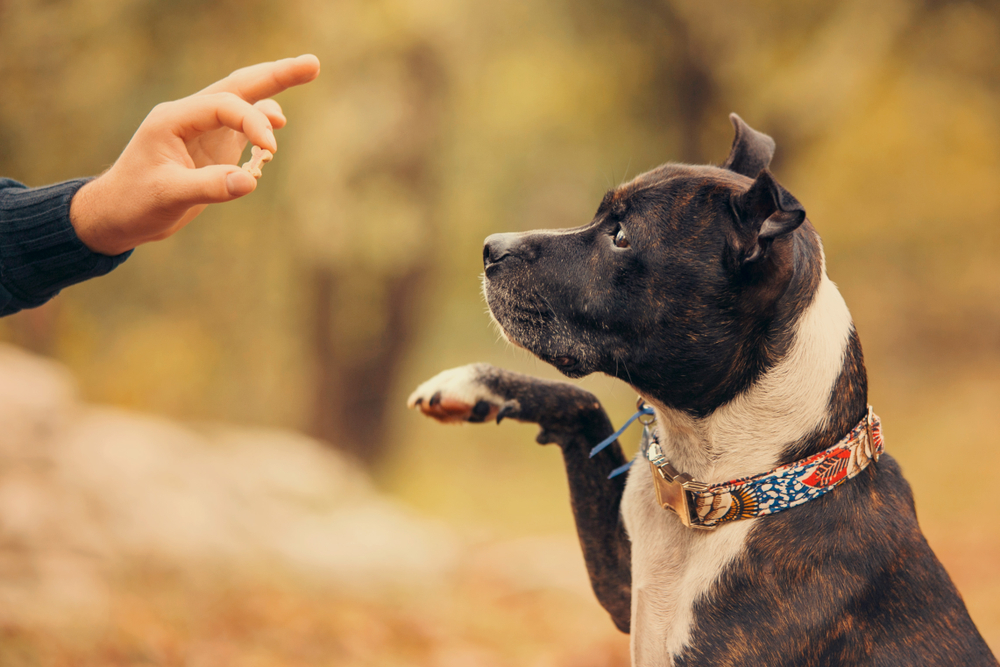
Training a puppy is one of the most rewarding stages of pet ownership, but it also requires patience, consistency, and a clear understanding of how young dogs learn. Positive reinforcement has become a widely trusted approach because of its ability to build confidence, strengthen bonds, and create long-lasting behavioral habits. We will explore how positive reinforcement shapes a puppy’s development and why it works so effectively when applied with clarity and timing. By understanding a growing puppy’s mindset, owners can create a supportive environment that encourages learning rather than fear or confusion. Positive reinforcement helps puppies connect their actions to enjoyable outcomes, fostering trust and security in their new home.
- It Encourages Healthy Emotional Development
Using positive reinforcement helps puppies feel safe, supported, and eager to learn, especially for families seeking puppy training in Tampa, FL. When a puppy receives praise, treats, or affection following behaviors like sitting calmly or responding to their name, they begin to form a connection between actions and outcomes. This pattern shapes how they interpret the world and the people around them. Instead of acting out of fear or confusion, the puppy becomes more confident in navigating daily situations. A puppy raised with affirmation naturally gravitates toward behaviors that earn attention and approval, reducing frustration for both the owner and the pet. This approach also strengthens communication because the puppy learns to interpret cues and respond with enthusiasm. Over time, the emotional benefits extend to improved socialization with other dogs and humans, creating a well-rounded temperament that supports future learning and obedience.
- It Helps Build Strong Behavioral Foundations
When puppies are rewarded for desirable behaviors, those behaviors are far more likely to be repeated. This simple cause-and-effect pattern serves as the basis for all future training. Whether owners are teaching sit, stay, recall, or leash manners, consistency is the key. Puppies thrive on predictable routines, and positive reinforcement provides them with stability and clarity. Treats, verbal praise, or toy rewards give the puppy something to work toward, making them more engaged during training sessions.
For example, if a puppy jumps on visitors but is rewarded only when keeping all four paws on the floor, they quickly learn which action brings positive attention. Over time, these small lessons accumulate, shaping a structured and dependable behavior pattern that follows the dog into adulthood. By focusing on reinforcement rather than punishment, owners create an environment that encourages curiosity and learning rather than fear of making mistakes. This foundation becomes particularly important when addressing more complex behaviors later in life.
- It Strengthens the Bond Between Puppy and Owner
Positive reinforcement is more than a training method—it is a communication tool that builds a strong relationship between a puppy and their owner. Each reward-based interaction reinforces the idea that the owner is a source of safety, comfort, and enjoyable experiences. This deepens trust, which is essential for a harmonious long-term relationship. Puppies trained through encouragement also tend to be more attentive, making future lessons easier. Owners often notice that their dogs become enthusiastic participants in training because it feels like a fun activity rather than an intimidating expectation. This bond influences every aspect of daily life, from routine walks to vet visits. A confident dog that trusts its owner is far more cooperative, calm, and adaptable. Ultimately, positive reinforcement doesn’t just shape behavior—it shapes the emotional connection that makes companionship fulfilling and meaningful.
- It Gives Owners a Clear, Practical Training System
Positive reinforcement offers owners a simple yet powerful structure they can apply consistently. The steps—identify the behavior, mark it, and reward it—are easy to follow and adapt for any environment or skill level. This timing makes all the difference in clear communication. Owners also learn how to phase out treats gradually, replacing them with verbal praise, playtime, or affection. Another advantage is flexibility. Positive reinforcement can be used for house training, crate training, social behaviors, leash manners, and even advanced skills as the puppy grows. This method also reduces misunderstandings that often occur when punishment-based approaches are used. Instead of focusing on what the puppy does wrong, owners highlight the behaviors they want to see more often. This creates a constructive training environment where progress feels steady and achievable. The clarity and consistency offered by positive reinforcement make it a practical system for long-term success.
Positive reinforcement is a foundational approach that empowers puppies to grow into confident, well-adjusted, and cooperative companions. By focusing on reward-driven learning, owners create an environment where their pets feel secure, eager to learn, and connected emotionally. Each point discussed highlights the value of nurturing growth rather than correcting mistakes through pressure or fear.
With thoughtful application, positive reinforcement becomes more than a training tactic—it becomes a relationship-building tool that strengthens trust and understanding. As puppies mature into adult dogs, the habits formed through this method support smoother daily interactions, easier training sessions, and a stronger bond between pet and owner. Through patience and purposeful actions, positive reinforcement paves the way for a rewarding companionship that benefits both sides for years to come.
You May Also Like: Keep Your Pets Safe and Comfortable
 Bemi Brooks