
 By Arthur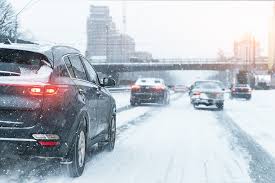
Your vehicle is more than just a means of transportation—it’s an investment that deserves protection. Whether it’s your daily driver, a weekend cruiser, or a prized classic, keeping it in top condition can save you money, reduce stress, and extend its lifespan. From minor scratches to storms weather, there are multiple risks your vehicle faces. The good news is that with proactive steps, you can shield your car from damage and keep it looking and performing at its best.
One of the simplest ways to protect your vehicle is through regular cleaning. Dirt, salt, and grime can cause corrosion over time, particularly in regions with harsh winters or near coastal areas. Washing your car every two weeks removes harmful substances and prevents buildup that can damage paint and metal.
After washing, applying a coat of wax is crucial. Wax acts as a protective layer, shielding your paint from UV rays, pollutants, and minor scratches. For the best results, choose a high-quality car wax and apply it every few months. Not only does this preserve your vehicle’s appearance, but it also maintains its resale value.
When it comes to protection, prevention is always better than repair. Parking your car in a garage or using a car cover can prevent a wide range of issues. Exposure to sunlight can fade paint and damage interior materials, while rain, hail, and snow can cause dents, rust, or water damage.
If a garage isn’t available, invest in a durable, weather-resistant car cover. It can shield your vehicle from debris, bird droppings, and tree sap—all of which can damage paint if left untreated. Covers also help protect against minor scratches that can occur from people brushing against your car in crowded parking lots.
Where and how you park your car significantly affects its safety. Avoid parking under trees to reduce the risk of falling branches or sap damage. In urban areas, try to choose parking spots away from heavy foot traffic and shopping carts to prevent dings and scratches.
Backing into parking spaces can also minimize potential front-end damage from collisions. In Utah, for example, many drivers are now installing backup cameras to assist with parking safely, reducing the risk of minor accidents that can lead to costly repairs.
Modern technology has made it easier than ever to shield your car’s exterior. Paint protection films and ceramic coatings create a durable barrier that guards against scratches, chips, and chemical damage. These products are especially useful for vehicles frequently exposed to harsh conditions or for those who want to maintain a showroom-quality finish.
Applying protective films to vulnerable areas, like the hood, bumper, and side mirrors, ensures that high-impact spots are well defended. Ceramic coatings, on the other hand, provide a long-lasting shine and add a layer of hydrophobic protection, repelling water and dirt.
A well-maintained vehicle is less likely to suffer from avoidable damage. Routine checks, such as tire inspections, brake maintenance, and fluid replacements, not only enhance performance but also prevent accidents caused by mechanical failure. Keeping up with scheduled maintenance reduces the risk of breakdowns that could expose your car to further damage.
Don’t overlook windshield care either. Small chips can quickly turn into cracks if left untreated, compromising both safety and structural integrity. Addressing these issues promptly prevents more extensive repairs down the line.
Protecting your vehicle isn’t just about the exterior. The interior is equally important and can suffer from fading, stains, and wear. Use sunshades to block harmful UV rays and seat covers to prevent fabric or leather damage. Regular vacuuming and cleaning of surfaces help maintain a fresh and well-kept interior, while mats protect the flooring from dirt, mud, and spills.
Extreme weather poses a significant threat to vehicles. Snow, hail, and storms can cause both cosmetic and functional damage. Preparing for seasonal changes is key: store your car in a covered area during storms, invest in winter tires for snowy conditions, and keep emergency kits on hand for unexpected situations. Small precautions, such as applying a windshield treatment to repel rain and snow, can make a big difference in visibility and safety.
By taking proactive steps, you can protect your vehicle from scratches, dents, and environmental hazards. From regular cleaning and waxing to mindful parking and interior care, each effort contributes to the long-term preservation of your car. A little attention today saves major repairs tomorrow, keeping your vehicle in prime condition for years to come.
 Siam
Siam