
 By Arthur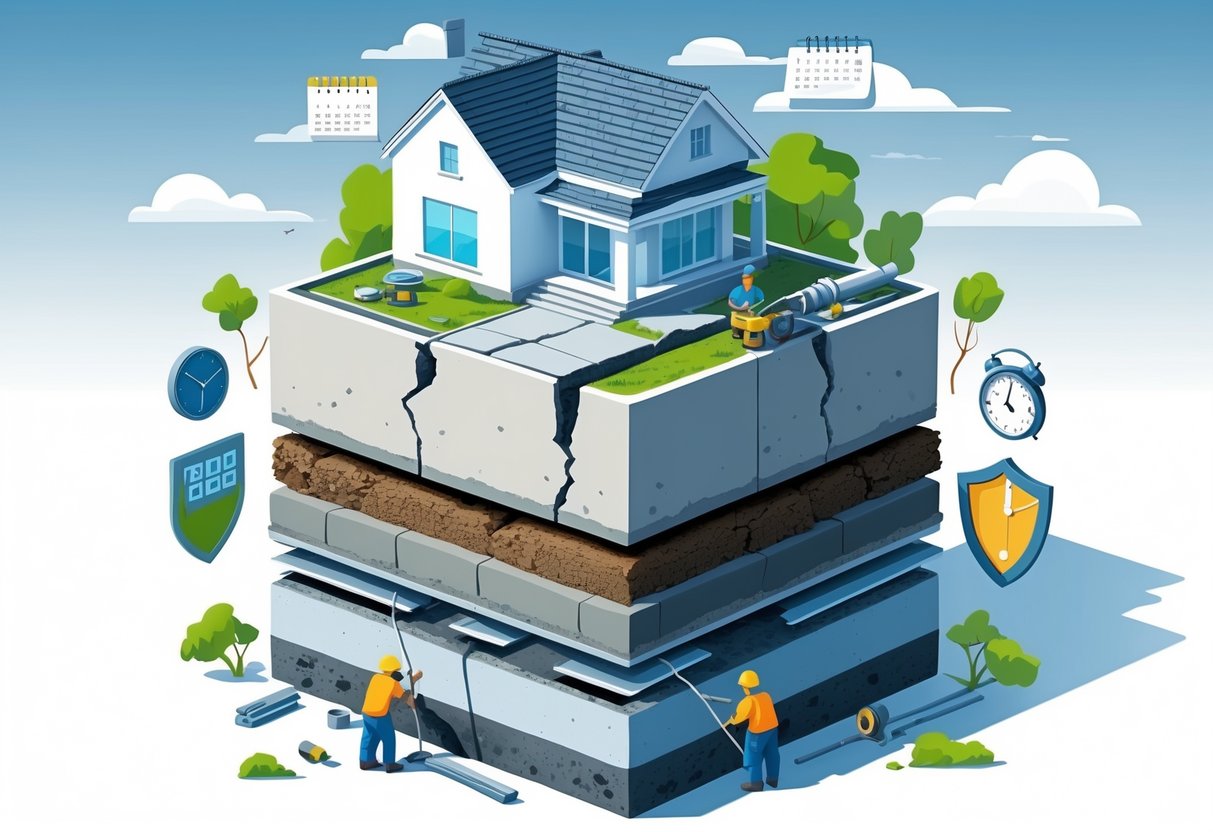
Older homes carry a sense of character, charm, and history that newer structures often cannot replicate. Still, they also come with unique responsibilities—especially when it comes to foundation maintenance. As time passes, soil shifts, moisture patterns evolve, and building materials naturally weaken, leaving older homes more susceptible to structural concerns. A well-maintained foundation is essential for safety, stability, and long-term property value. We will explore how aging construction materials, outdated building methods, and environmental changes affect foundations in older homes and why proactive care matters. With thoughtful maintenance, homeowners can preserve their homes’ strength for decades to come while preventing costly repairs.
- Aging Building Materials and Natural Wear
Foundation materials in older homes—whether concrete, pier-and-beam, or masonry—have endured decades of weather exposure, ground movement, and general wear. Over time, concrete loses density, wooden beams can rot or warp, and mortar joints may crumble due to moisture absorption and temperature fluctuations. These slow but inevitable changes create vulnerabilities that can lead to cracks, sagging floors, or uneven settling. Older homes were often built without modern reinforcements such as steel rebar or vapor barriers, which means the foundation may not have the same durability as newer construction.
Understanding these material limitations can help homeowners identify early warning signs before they develop into severe structural problems. Regular inspections, especially after heavy rainfall or drought conditions, can reveal subtle shifts that require attention, allowing homeowners to check here for changes, protect their property, and maintain long-term stability without waiting for visible damage to appear.
- Evolving Soil Conditions Around the Property
Soil plays a crucial role in the performance of any foundation, but for older homes, the risk factors tend to be more pronounced. Decades of weather cycles can drastically change soil composition, density, and moisture retention. Expansive clay soils, in particular, can swell when wet and shrink during dry periods, exerting continuous pressure on foundations. Many older homes sit on soil types that are highly reactive, which means seasonal movement is not only common but expected. These fluctuations can lead to cracks, separations, and misalignment in doors and windows.
Landscaping changes over the years—such as removing trees, adding flower beds, or installing irrigation systems—may also affect soil moisture levels around the foundation. Homeowners must monitor soil hydration, drainage paths, and vegetation placement to reduce unnecessary stress on the foundation. Addressing soil-related concerns early allows for smoother long-term maintenance and prevents small issues from escalating into serious damage.
- Outdated Drainage Systems and Water Intrusion
Water is one of the biggest threats to any foundation, and older homes are particularly vulnerable due to outdated or poorly maintained drainage systems. Gutters may be undersized, missing, or clogged; downspouts may not direct water far enough from the home; and grading may have shifted over time, causing runoff to pool around the perimeter. Older pier and beam foundations may also lack adequate ventilation, which increases moisture accumulation under the home and leads to wood rot or mold.
Excess moisture can weaken the surrounding soil, cause erosion, and reduce support for the structure. For slab foundations, trapped water can seep through cracks, enlarge existing gaps, and create uneven settling. Maintaining proper drainage is essential to safeguarding the home’s structural integrity, and even minor improvements—such as extending downspouts or adjusting the slope of landscaping—can significantly reduce long-term risks. Homeowners who stay proactive about water management can avoid costly structural repairs and protect their property from avoidable damage.
- Shifting Environmental Conditions and Climate Impacts
Climate patterns have changed considerably since many older homes were built, and these shifts directly affect foundation performance. Increased rainfall, more intense storms, prolonged droughts, and rising temperatures all contribute to soil instability and structural stress. Weather extremes have become more common, putting added pressure on older foundations that were not designed for such fluctuating conditions. Drought causes soil to shrink and pull away from the foundation, while heavy rainfall fills the gaps, causing rapid soil expansion. These alternating conditions accelerate movement, leading to cracks, separations, and settling issues.
Additionally, older homes often lack modern waterproofing or insulation systems that help regulate moisture levels in newer structures. Keeping up with climate-related risks requires periodic evaluations of soil moisture, drainage effectiveness, and structural alignment. By understanding how weather patterns influence foundation behavior, homeowners can take preventative steps and protect their investment from unexpected environmental stress.
- Historical Construction Practices and Structural Limitations
Construction standards have evolved significantly over the decades, and older homes may reflect building practices that no longer meet modern guidelines. Foundations built before the widespread use of reinforced concrete may be more prone to cracking or shifting under pressure. Pier and beam homes might have inadequate bracing or ventilation, making them vulnerable to moisture-related damage. Some older properties were constructed without understanding long-term soil movement trends, leading to placements or designs that inadvertently increased future risks.
Additions, remodels, or DIY repairs performed over the years may also impact the foundation’s stability if they were not executed with modern structural considerations in mind. Recognizing these limitations helps homeowners approach maintenance from an informed perspective. Partnering with an experienced foundation service provider ensures that any repairs or updates align with current standards while respecting the home’s original structure. Proper maintenance allows older homes to maintain their character while addressing the needs of modern living.
Caring for the foundation of an older home requires awareness, consistency, and an understanding of how aging materials, climate shifts, and historical building methods work together over time. By staying proactive with inspections, drainage improvements, soil management, and maintenance strategies, homeowners can reduce risks and extend their foundation’s lifespan. A strong foundation ensures that older homes continue to offer comfort, charm, and durability for many years. Thoughtful care today prevents extensive repairs later, preserving the integrity and value of a cherished property.
You May Also Like: The Impact of Insulation on HVAC