
 By Arthur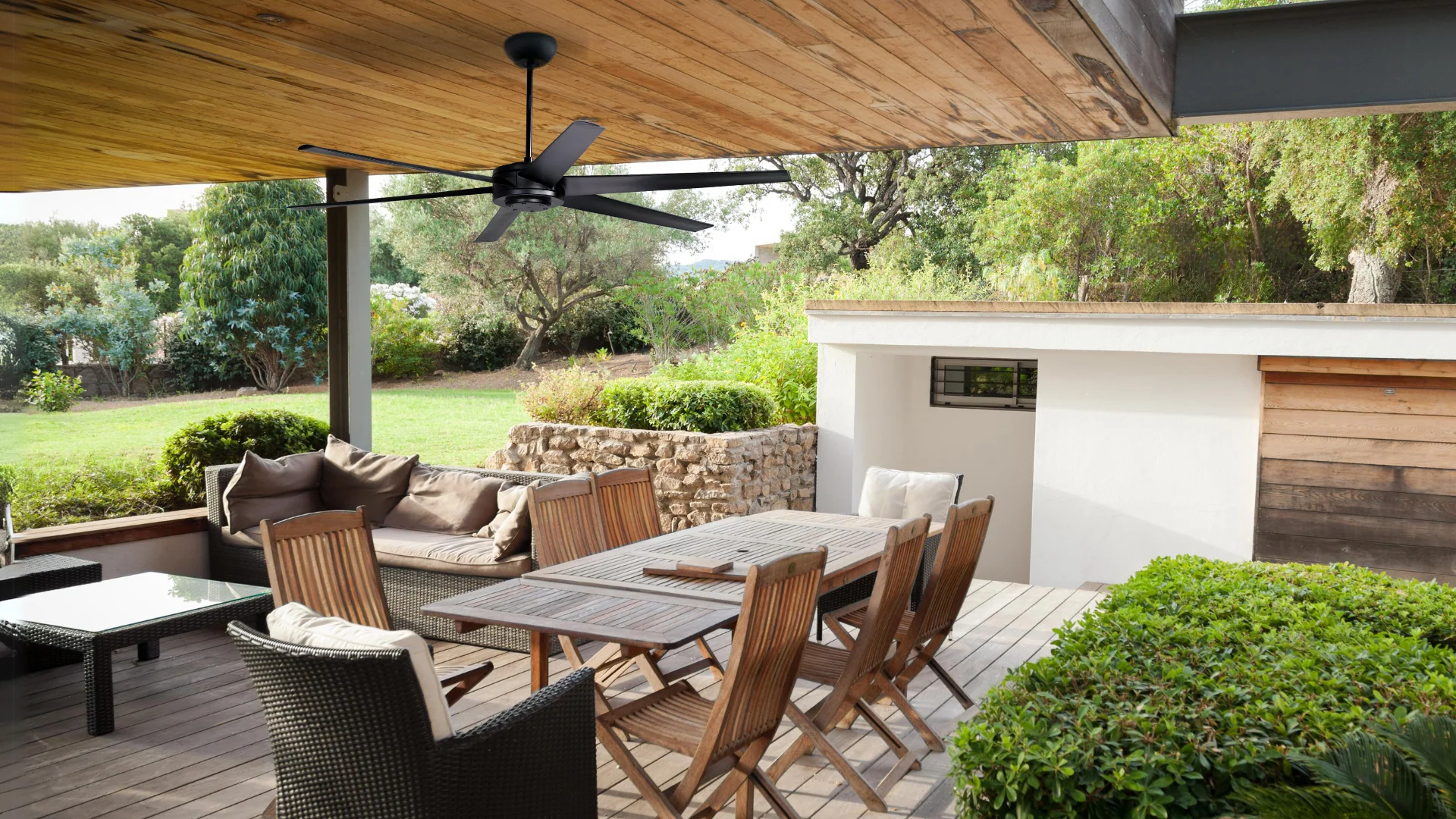
Outdoor ceiling fans can transform a covered patio or open-air seating area into a more comfortable and inviting extension of your home. Whether you enjoy entertaining guests, relaxing after a long day, or enhancing the usability of your outdoor space, proper airflow matters. We will explore the essential considerations that help ensure durability, performance, and safety when choosing a ceiling fan for an outdoor environment. From selecting the right materials to understanding ratings and proper placement, every detail matters in how well your fan performs outdoors. With the right approach, you can create an enjoyable outdoor atmosphere that remains comfortable year-round, even when the weather becomes unpredictable. Making thoughtful decisions before installation ensures a long-lasting upgrade that enhances both function and overall outdoor enjoyment.
- Understanding Outdoor Ratings Before Installation
When installing a ceiling fan in a covered patio or fully exposed outdoor space, the most important step is choosing a fan with the correct rating. Outdoor ceiling fans come in two primary categories: damp-rated and wet-rated. Damp-rated fans are ideal for covered patios where there is protection from direct rain but exposure to humidity or moisture still exists. Wet-rated fans, on the other hand, can withstand rain, splashes, and heavy moisture without damage. Selecting the proper rating ensures longevity and safe operation, especially during unpredictable weather conditions.
A qualified ceiling fan electrician can also help confirm the appropriate rating for your space by assessing environmental factors. Choosing the correct rating is vital, including how it affects the fan’s performance, lifespan, and ability to maintain consistent airflow in areas prone to dampness or wind. Paying attention to these details helps prevent motor corrosion, blade deterioration, and electrical issues that could arise when a fan is not properly suited for outdoor environments.
- Choosing the Right Materials for Outdoor Durability
The material of your outdoor ceiling fan significantly affects its performance and durability. Outdoor spaces expose fans to temperature fluctuations, humidity, and even occasional contaminants like dust or debris. For this reason, blades made of ABS plastic or weather-resistant materials hold up far better than traditional wood blades, which can warp or crack when exposed to moisture. The motor housing should be rust-resistant to ensure long-term performance in environments with fluctuating humidity.
The selection of weatherproof materials matters, including their impact on noise levels, motor efficiency, and overall stability during windy conditions. Selecting the right materials also affects the long-term maintenance requirements, reducing the need for frequent repairs or replacement. Investing in durable components ultimately improves the comfort and functionality of the outdoor space, making it a worthwhile upgrade for homeowners seeking reliability.
- Placement and Mounting for Improved Airflow and Safety
Proper placement is essential for maximizing airflow and ensuring safe installation in a patio or outdoor setting. Ceiling height, the space’s size, and the area’s purpose all influence where the fan should be mounted. Ideally, a ceiling fan should be positioned at least 7 feet above the ground and centered for even airflow. In long or large patios, multiple fans may be necessary to achieve consistent comfort. Proper mounting hardware is crucial for outdoor use, such as ensuring the fan is secured with moisture-resistant brackets and electrical boxes that meet outdoor safety requirements. Outdoor fans are also exposed to wind, so choosing a model with a secure mounting system prevents wobbling and increases stability. When installed correctly, airflow improves dramatically, and the overall experience of spending time outdoors becomes far more enjoyable.
- Energy Efficiency, Motor Performance, and Controls
Energy efficiency plays a major role in selecting a ceiling fan for an outdoor or covered patio. Outdoor fans often run for extended periods, especially during warmer seasons, so choosing an efficient motor helps manage energy consumption without sacrificing airflow. Modern outdoor ceiling fans frequently feature DC motors, which consume less energy and operate more quietly than traditional AC motors. Selecting an efficient fan can reduce long-term energy costs while improving comfort. Additionally, the option to incorporate remote controls, wall switches, or smart controls offers convenience, especially in outdoor settings where reaching a pull chain may not be practical. Weather-resistant remotes and switches provide added protection and ensure the fan remains functional in varying temperatures and humidity levels. Combined, these factors offer a seamless outdoor experience with consistent comfort and easy control.
- Lighting Features, Aesthetic Considerations, and Maintenance
Many homeowners choose to incorporate lighting with their outdoor ceiling fan to create an inviting and functional atmosphere. LED lighting is often preferred for outdoor settings due to its energy savings and long lifespan. When selecting a fan with a light kit, ensure the components are rated for outdoor use to prevent moisture-related issues. Beyond lighting, aesthetic consistency matters as well. Choosing designs and finishes that complement patio furniture, exterior paint, or architectural style enhances the overall look of the outdoor area. Maintenance also plays a vital role in the fan’s performance. Outdoor fans require occasional cleaning to remove dust, pollen, and moisture buildup. Regular inspection of screws, blades, and mounting hardware helps ensure the fan operates smoothly and safely. With proper care, an outdoor ceiling fan becomes a long-term investment that improves both aesthetics and comfort.
Installing a ceiling fan outdoors or in a covered patio involves more than simply choosing a style you like; it requires understanding how weather, moisture, and airflow interact with the fan’s materials and design. Each factor contributes to long-term comfort and a more enjoyable outdoor environment. A well-chosen outdoor ceiling fan not only enhances airflow but also elevates the ambiance of your patio, making it a more welcoming space for relaxation or gatherings. With careful planning and attention to detail, your outdoor ceiling fan installation becomes a valuable upgrade that enhances comfort and functionality year-round.
You May Also Like: The Most Common AC Parts