
 By Arthur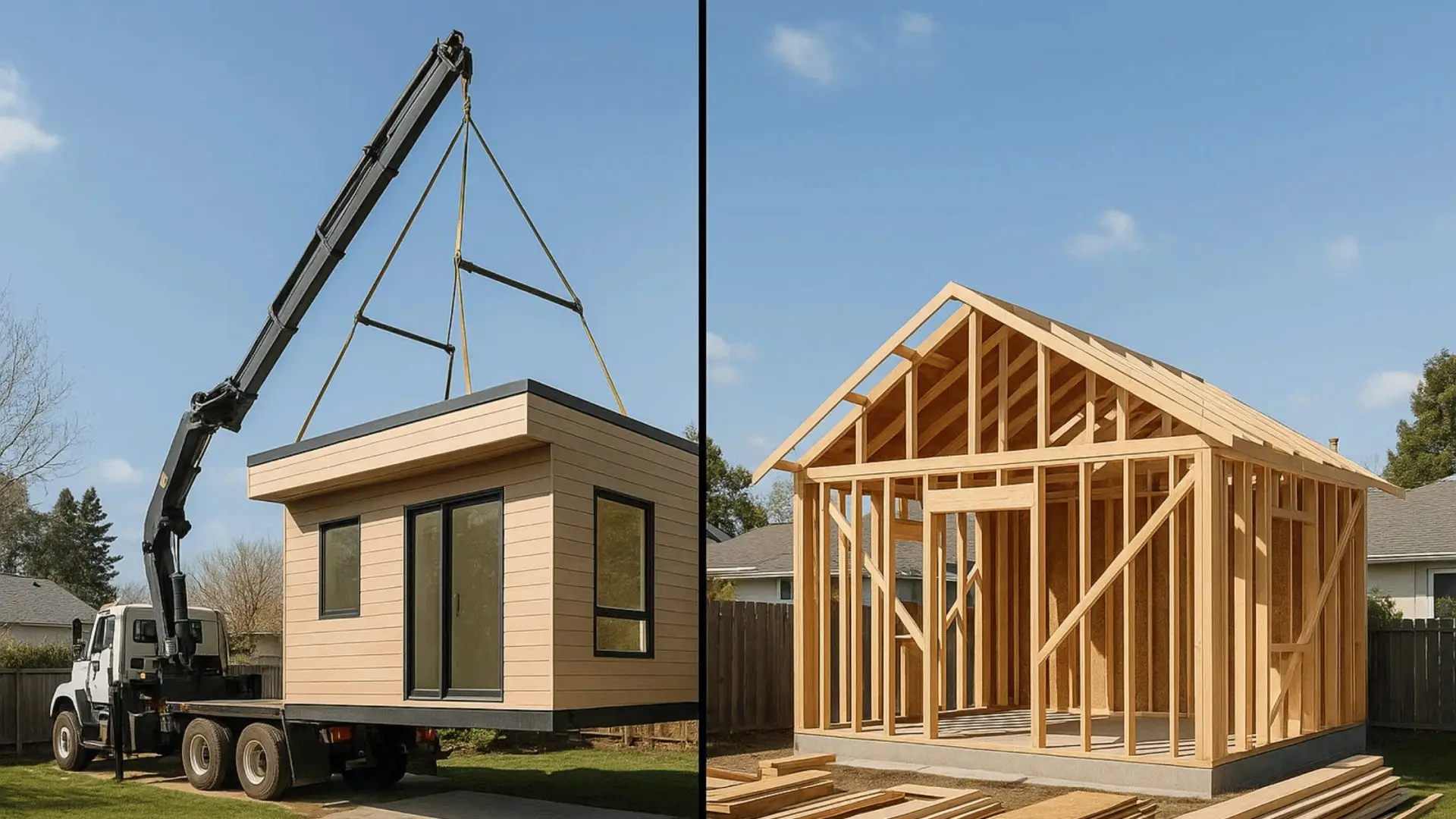
Accessory Dwelling Units, or ADUs, have become increasingly popular for homeowners looking to expand living space, generate rental income, or provide accommodations for family members. Deciding between a prefab and a custom-built ADU can be challenging, as each offers unique advantages and limitations. Prefabricated units are constructed off-site and delivered ready to assemble, often offering speed and cost efficiency. Custom-built ADUs, on the other hand, are designed and built on-site according to a homeowner’s exact specifications, allowing for complete personalization and integration with existing property structures. We will explore how builders guide homeowners through this choice, helping them understand the practical, financial, and lifestyle considerations that influence the decision between prefab and custom-built units, ensuring the selected approach aligns with both short-term goals and long-term property value.
- Construction Timeline and Project Speed
Prefabricated ADUs are known for their rapid construction timeline. Since many components are manufactured in a controlled factory setting, construction is less affected by weather delays, labor shortages, or site-specific complications. A prefab unit can often be delivered and installed within weeks, making it an appealing option for homeowners seeking a faster solution. Builders providing accessory dwelling unit services by My ADU assist in coordinating permits, site preparation, and installation schedules, ensuring the process is streamlined from start to finish. Custom-built ADUs, while offering complete design flexibility, generally require a longer construction period due to on-site work, material procurement, and labor coordination. Builders provide guidance on realistic timelines, helping homeowners weigh the trade-off between speed and design freedom and ensuring that expectations align with practical constraints.
- Design Flexibility and Personalization
Custom-built ADUs excel in design flexibility, allowing homeowners to tailor every detail of the unit to fit specific needs, aesthetics, and property characteristics. From layout adjustments and ceiling heights to materials and finishes, builders collaborate closely with homeowners to translate their vision into a functional space. Prefabricated ADUs, while offering a range of models and floor plans, may have limited options for structural modifications or material customization. Builders help clients assess whether the standard models meet their requirements or if a hybrid approach—modifying a prefab unit on-site—might deliver a balance between efficiency and personalization. Understanding these options ensures that the final ADU meets both practical and stylistic expectations.
- Cost Considerations and Budget Planning
Budget is a significant factor in the decision between prefab and custom-built ADUs. Prefab units can provide cost savings due to factory production efficiencies and reduced on-site labor. Builders assist homeowners in comparing overall project costs, including transportation, installation, permits, and site work. Custom-built ADUs often have higher upfront costs due to labor-intensive construction and the use of customized materials. Still, they may increase long-term property value through unique design elements and integration with the existing home. Builders guide homeowners in evaluating both immediate financial impact and potential return on investment, helping them make informed choices based on budget flexibility and future plans.
- Site Constraints and Property Compatibility
The physical characteristics of a property can influence the suitability of prefab versus custom-built ADUs. Narrow lots, unusual slopes, or specific setback requirements may limit the type or size of a prefab unit that can be installed. Builders conduct thorough site evaluations, measuring setbacks, utility access, and topography to determine which ADU approach is feasible. Custom-built units can be designed to accommodate unique site conditions, providing solutions for challenging layouts or irregular lot shapes. By analyzing property constraints, builders help homeowners identify the approach that maximizes usable space while complying with local regulations and building codes.
- Long-Term Maintenance and Durability
Maintenance and durability considerations also play a role in the decision-making process. Prefabricated ADUs are often constructed with standardized materials and methods that can enhance durability and reduce maintenance requirements. However, modifications or repairs may be more complex due to factory-built components. Custom-built ADUs, designed with local materials and tailored construction methods, may make future repairs or expansions easier. Builders advise homeowners on the expected lifespan, maintenance needs, and potential challenges of each option, ensuring that the chosen ADU aligns with long-term property management goals and lifestyle expectations.
- Permitting and Regulatory Assistance
Navigating local regulations and permitting requirements can be complex for ADU construction. Builders provide critical support in preparing permit applications, coordinating inspections, and ensuring compliance with zoning laws, building codes, and utility connections. Prefabricated units may benefit from pre-approved designs that simplify permitting, while custom-built ADUs require detailed site-specific plans. Builders help homeowners understand the permitting process, anticipate potential delays, and manage documentation, reducing stress and keeping projects on track. Their guidance ensures that whichever ADU option is chosen, it meets legal standards and avoids costly setbacks.
- Integration with Existing Property and Lifestyle Needs
A key consideration in choosing an ADU type is how well it integrates with the existing property and the homeowner’s lifestyle. Prefab ADUs can be an efficient solution for those seeking immediate additional space, rental income, or guest accommodations without extensive construction on-site. Custom-built units allow seamless integration with the property’s architectural style, landscaping, and overall flow. Builders help homeowners evaluate their long-term goals, whether for multi-generational living, rental income, or personal use, and recommend the approach that aligns with both functional and aesthetic objectives. Proper integration enhances property value and ensures that the ADU complements daily life.
Selecting between a prefab and a custom-built ADU involves balancing speed, cost, design flexibility, and long-term goals. Builders play a central role in guiding homeowners through these decisions, offering practical advice on timelines, site compatibility, permitting, and integration with existing property. Prefabricated units provide efficient, cost-conscious solutions, while custom-built ADUs allow complete personalization and potential long-term value enhancement.
By understanding the strengths and limitations of each approach and consulting with knowledgeable builders, homeowners can make informed decisions that meet immediate needs and align with their vision for property growth. Working with a builder ensures the ADU project proceeds smoothly, maximizes functionality, and enhances both lifestyle and investment potential.
You May Also Like: Why Regular Garage Door Tune-Ups Extend the Life of Your System